The Evolution of Locksmith Technology: Enhancing Security Through Innovation
Locksmith technology has evolved dramatically over the centuries, transforming how we secure our homes, businesses, and vehicles. From traditional mechanical locks to the sophisticated electronic systems we rely on today, these advancements have revolutionized the field of security. This article explores the evolution of locksmith technology and the impact these innovations have had on improving security across various domains.
Mechanical Locks: The Foundation of Security
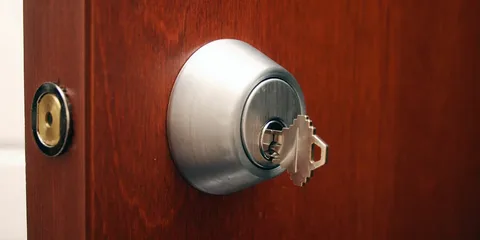
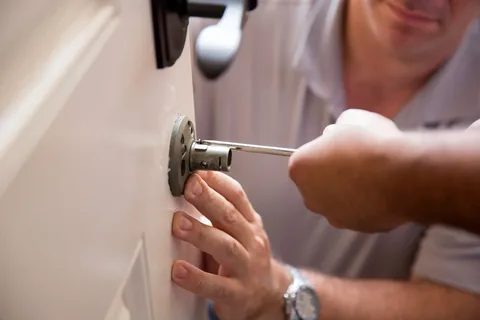
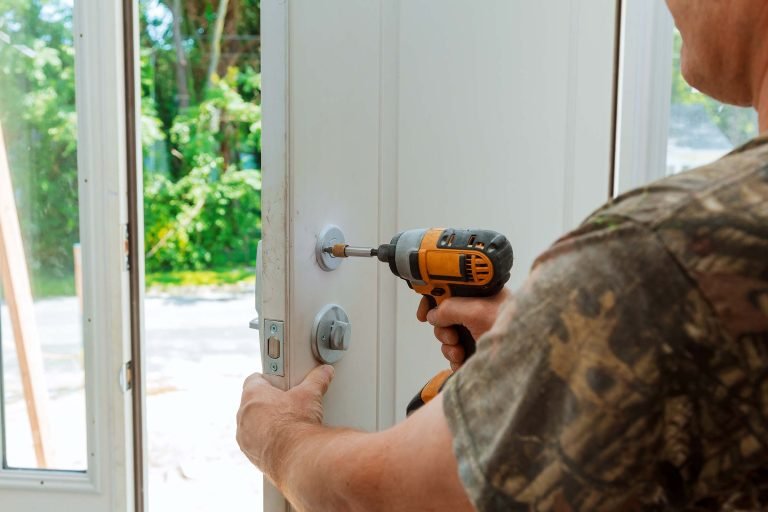
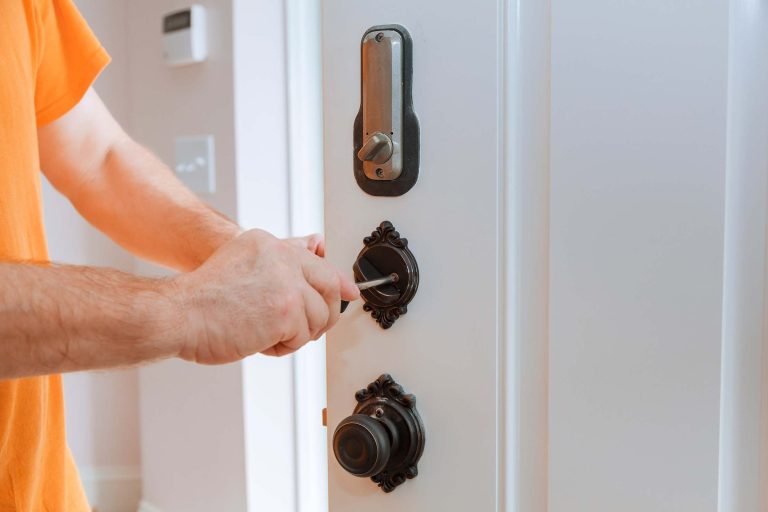
For centuries, mechanical locks were the cornerstone of security. Early lock designs were based on pin tumblers and lever locks, which relied on intricate mechanisms to prevent unauthorized access. Skilled locksmiths became experts in crafting and repairing these devices, ensuring they provided effective security for valuable assets. Although basic, mechanical locks laid the groundwork for more complex systems that would follow, forming the foundation for modern locksmithing.
Key Innovations: From Skeleton Keys to Keyless Entry
One of the first significant advancements in lock technology was the skeleton key. This type of key could open several different locks that operated on similar mechanisms, providing a level of convenience and flexibility. However, the downside was that skeleton keys also posed security risks, as a single key could potentially unlock multiple locks.
In response to this, master key systems and key duplication services were introduced. Master keys allowed authorized individuals to access multiple locks within a system, streamlining security management. The ability to easily duplicate keys provided greater convenience for property owners, but it also highlighted the need for more secure methods to control access.
Electronic Locks and Keyless Entry Systems
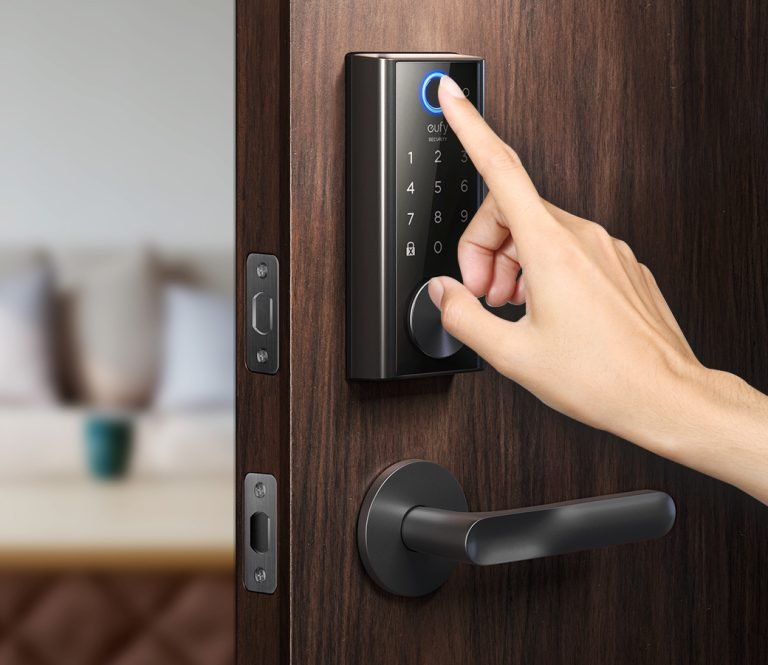
The introduction of electronic locks and keyless entry systems marked a significant departure from traditional lock-and-key mechanisms. Powered by electricity or batteries, these locks incorporated electronic components such as keypads, touchscreens, or proximity cards to allow access. With keyless entry systems, physical keys were no longer necessary. Instead, access could be granted through methods such as biometric authentication (fingerprint or retina scans), numeric codes, or wireless signals.
These systems offered a higher level of security because they were resistant to traditional methods of lock picking and were harder to duplicate. They also increased convenience, as users no longer needed to worry about lost or stolen keys. Electronic locks brought a new era of security, making unauthorized access much more difficult.
Smart Locks and Home Automation
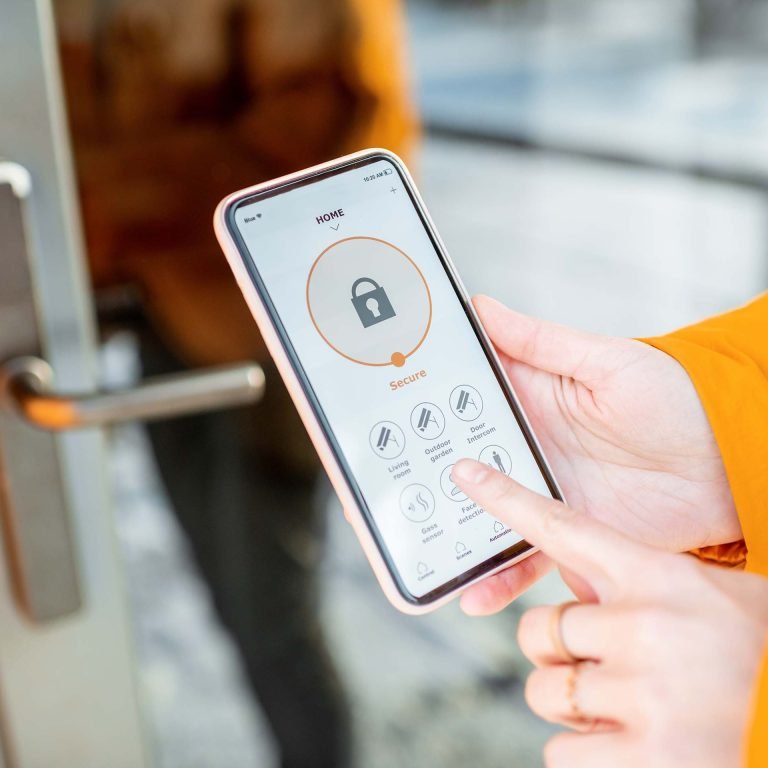
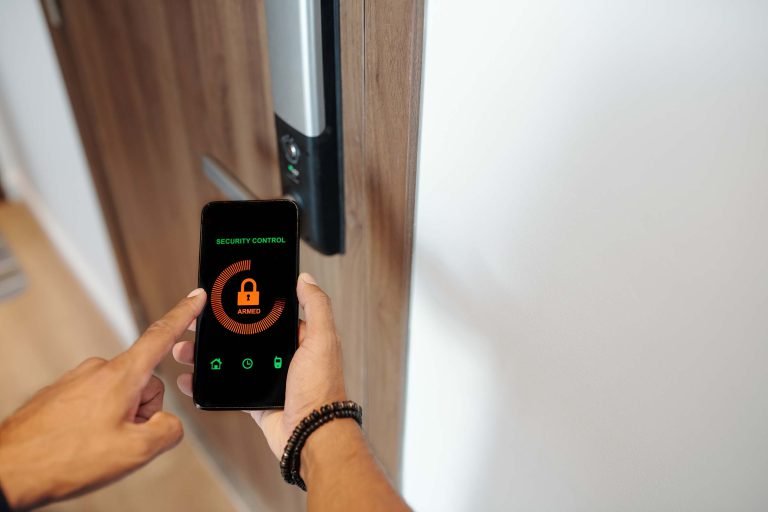
With the rise of smart home technology, locks began to integrate with home automation systems. Smart locks allow homeowners to control access remotely via mobile apps or voice commands. This means that individuals can grant access to guests or service providers even when they are not at home, offering an unprecedented level of control over who enters their property.
Many smart locks also include advanced security features, such as encryption and multi-factor authentication, to ensure that access remains highly secure. Additionally, smart locks can integrate with other home automation devices, such as security cameras, motion sensors, and alarm systems, providing a comprehensive security system for homeowners. This integration allows for remote monitoring, automated access control, and real-time alerts, significantly enhancing the protection of the property.
The Future: Biometrics and Advanced Authentication
Looking forward, the future of locksmith technology appears even more promising, with advancements in biometric authentication and advanced security systems on the horizon. Technologies like facial recognition, voice recognition, and DNA-based authentication could become commonplace in the near future, offering an even higher level of security for residential, commercial, and automotive applications.
Additionally, advancements in materials science and manufacturing techniques could lead to the development of locks that are not only more tamper-resistant but also more durable and resistant to environmental factors. New materials, such as carbon fiber and titanium, could be used to create locks that offer enhanced protection against physical and digital attacks, making them virtually impenetrable.
Conclusion: The Ongoing Evolution of Locksmith Technology
The evolution of locksmith technology has drastically improved the security of homes, businesses, and vehicles over time. From the mechanical locks of the past to the sophisticated electronic and smart locks of today, locksmiths have continually adapted their skills and tools to meet the increasing demand for stronger, more convenient, and more secure systems.
With the ongoing integration of biometric authentication and the rise of smart technology, the future of locksmithing holds great promise. As new technologies emerge, locksmiths will continue to play a critical role in implementing and maintaining these innovative security solutions, ensuring that access control remains secure, efficient, and user-friendly.
As technology continues to advance, the locksmith industry will continue to be at the forefront of providing cutting-edge solutions to protect our most valuable assets, from homes to vehicles and beyond.